
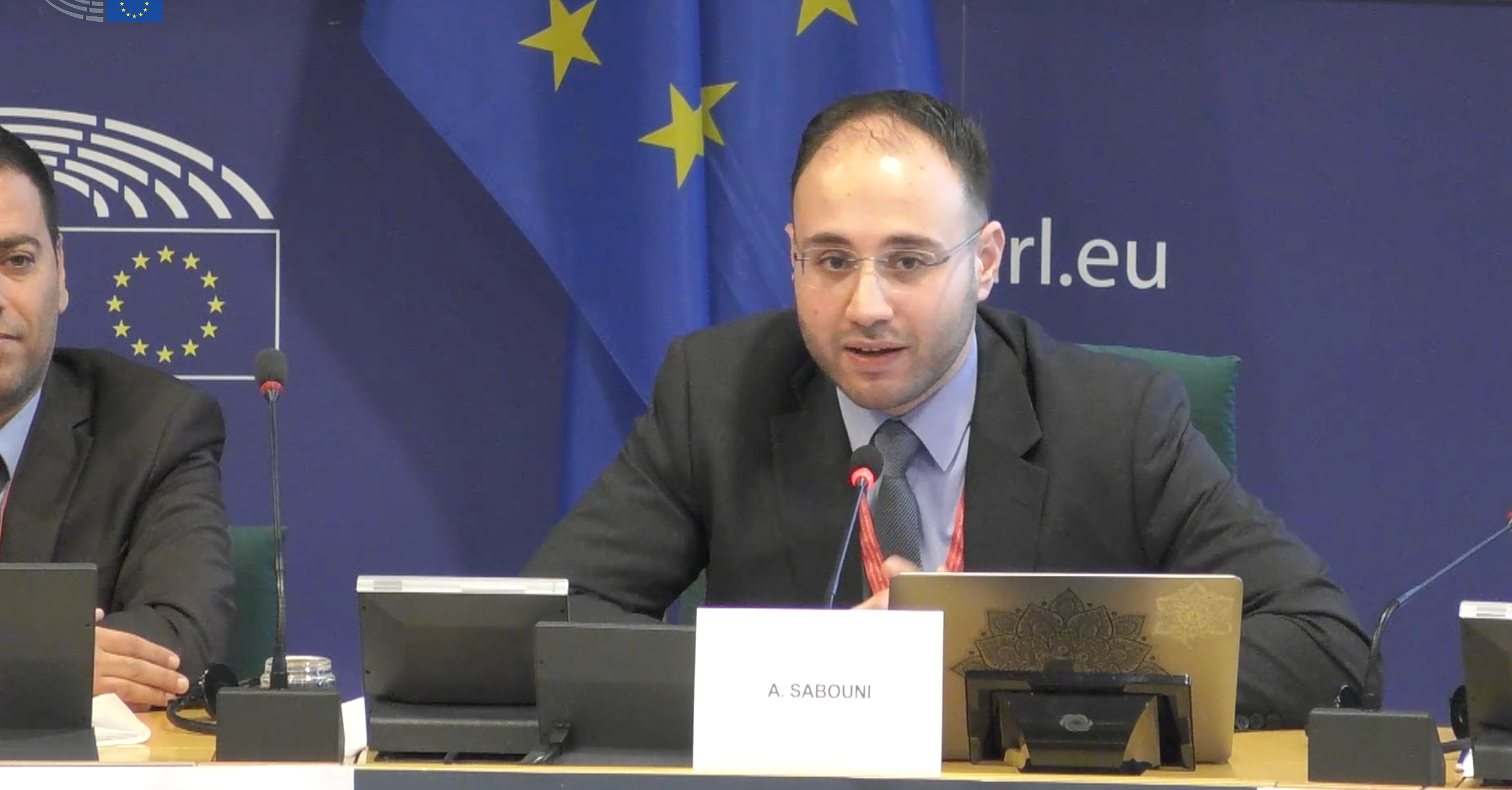
Triggering Meaningful Change: Investing in the Health workforce in Syria
Location: Brussels, Belgium
Address: European Parliament
May 27, 2024
Solutions for improved competency, standardised credentials, harmonised compensation and diaspora engagement.
Syrian physicians, midwives, nurses, and technicians are the critical component of a functioning health system, caring for the most vulnerable people, often at their own risk. They operate within a nation fractured into three distinct health systems: a centralised and inequitable one in government-controlled areas, a fragmented and underfunded one in the northwest, and a neglected and underdeveloped one in the northeast. This workforce faces a dramatic shortfall, with the density of health workers in northwest Syria at 1.06 per 1,000, far below the international standard of 4.45. They are contending with sustained international migration , competitive salaries distorting the job market , a lack of reliable data for planning , and worries that their credentials will not be accepted in the event of a political solution.
So how can this vital workforce be stabilised? What are the most effective strategies to harmonise wages, harmonise credentials, and foster competency against a backdrop of donor dependency? And how can the engagement of the medical diaspora and local, ground-up initiatives contribute to long-term resilience and the coproduction of knowledge?
To discuss this topic, we were joined
Ms. Rosa Crestani, Health Emergency Team Lead, World Health Organisation (WHO), Gaziantep
Ms. Valeria Gholizadeh Gajkar, Country Director, Relief International
Dr. Mansur Alatrash, Head of the Health Information System Unit
Dr. Aula Abbara, Consultant, Syria Public Health Network
Dr. Majd AlGhatrif, Associate Professor of Medicine, Johns Hopkins University, President of Syriana
Centre team behind the work
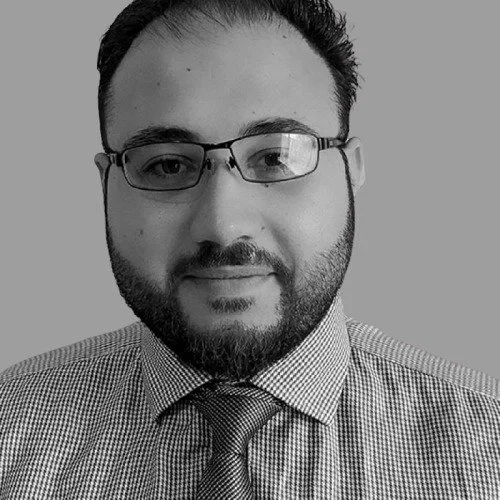
Ammar Sabouni
Health Practice Lead
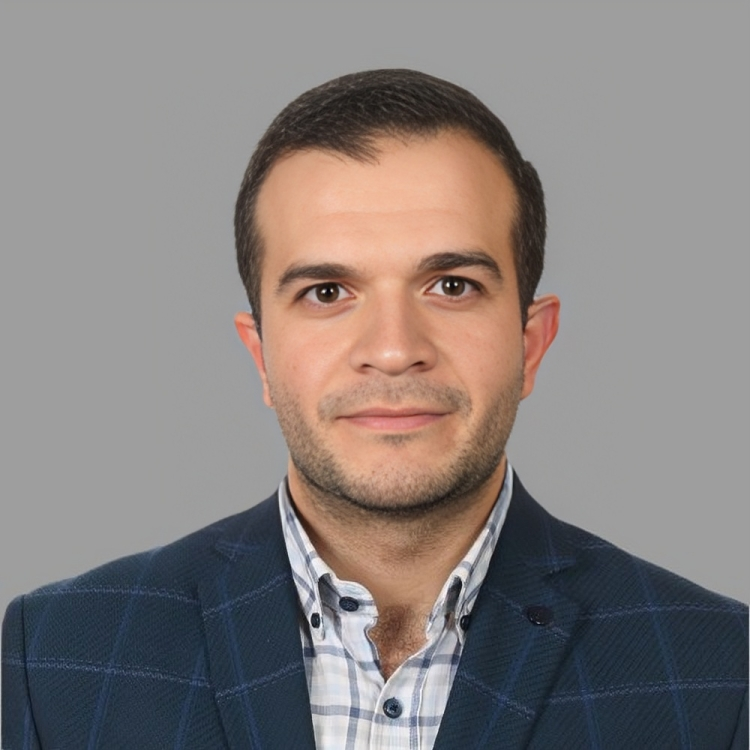
Mhd Hassan Idelbi
Lead for Institution Building

Alnarjes Harba
Executive Manager
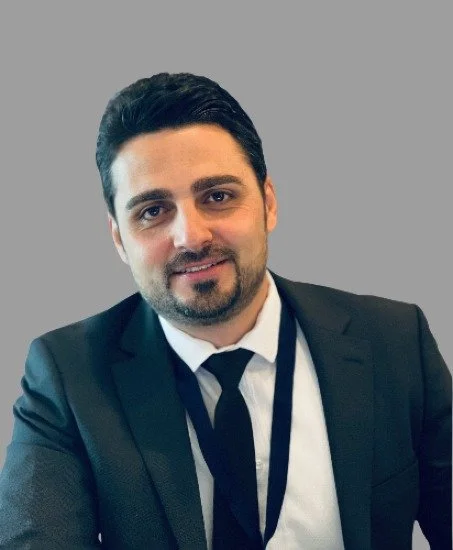
Abdulkarim Ekzayez
Senior Health Fellow