
Policy Brief October 20, 2026
Implementing the National Advanced Technology Track


Type: Policy Brief
Date: October 20, 2026
Summary
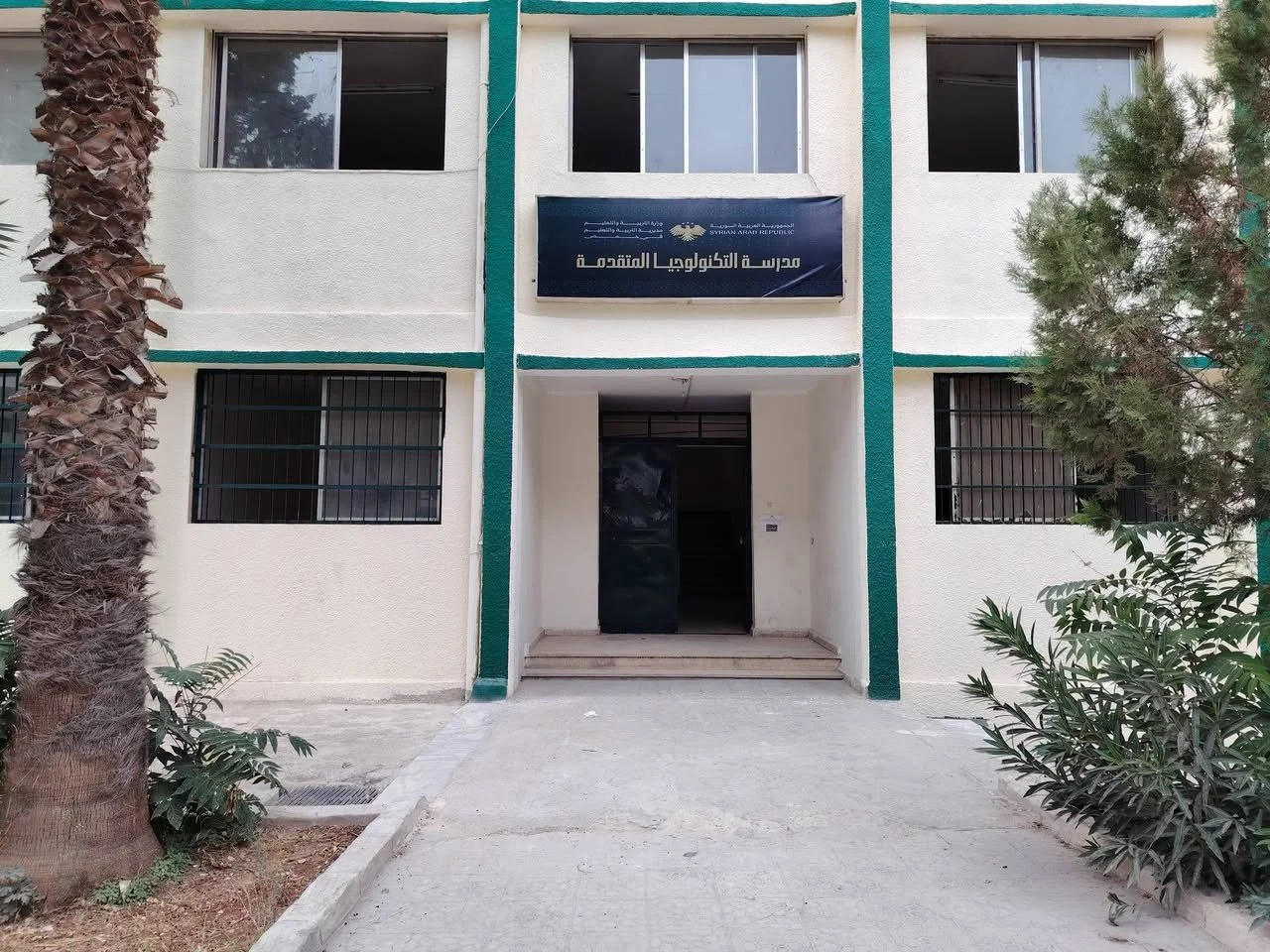
On 7 October 2026, President Ahmed al-Sharaa issued Decree No. 183 establishing the ‘National Advanced Technology Track’. This specialised pathway begins at the secondary-school level and extends into applied and research-oriented higher education. Overseen by the Ministries of Education and Higher Education, the track aims to develop highly qualified national talent in advanced technology and innovation and align education with labour-market needs.
The policy brief identifies four risks that could prevent the track from succeeding: institutional readiness, planning for expansion and public confidence, industry participation and economic relevance, and retaining and using specialised talent. Without approved curricula, qualified specialist teachers, adequate equipment, clear selection criteria and practical private-sector partnerships, schools may provide education of unequal quality, limit wider access and graduate students without practical experience or links to employers.
The brief proposes five priorities for the executive instructions: partnerships, curriculum, governance, resources and accountability. These include allowing qualified universities, technology companies and specialists to teach and support projects; approving first-semester objectives, mandatory topics, teaching hours and assessment requirements; establishing a National Technology Track Implementation Unit; using existing laboratories and equipment through agreements; and requiring monthly reporting on specialist teaching, applied projects, student retention and results, equipment use and spending per student.
At the institutional level, the brief emphasises clear responsibility for implementation, common assessment rules, coordinated specialist teaching, effective use of existing facilities and measurable results. The implementation unit should monitor performance, identify missed targets and assign responsibility and deadlines for corrective action. Partnerships should be assessed against delivered teaching hours, completed projects and documented results, while new purchases should prioritise curriculum needs, number of users and operating costs.
Finally, the brief recommends that the Ministry issue executive instructions approving the first-semester curriculum, assigning specialist teachers, securing equipment for scheduled teaching and projects, adopting common assessment rules and naming the implementation unit. Further spending and expansion should be deferred until the first three schools meet published Ministry targets for two consecutive reporting periods and the next schools have the required teachers, curriculum and equipment.
Centre team behind the work
Kouteba Alkhalil
Education Practice Lead
Alaa Zaza
Manager