
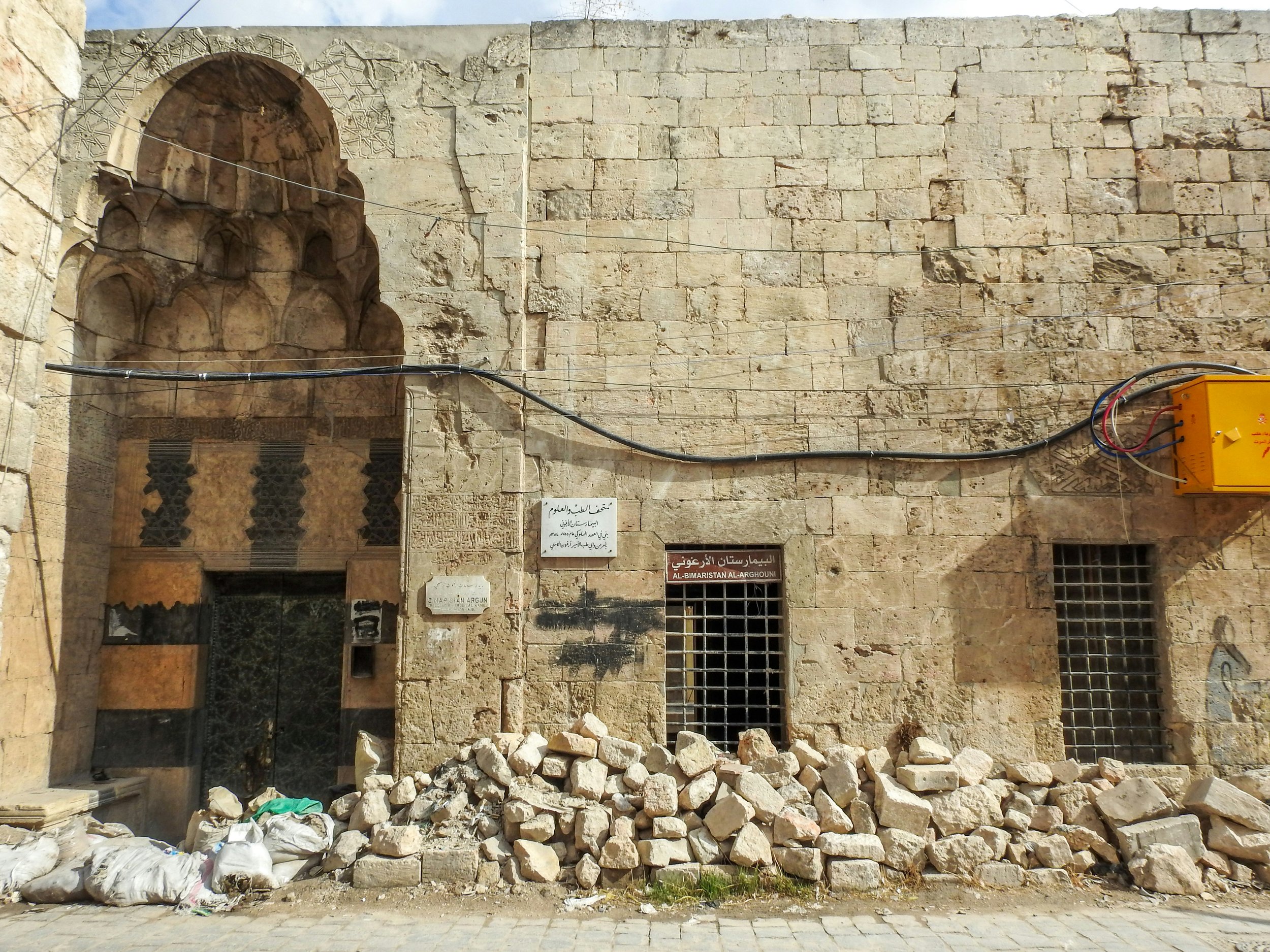
How religious belief, family and history shape how Syrians seek care?
Type: Report - Chapter
Date: October 3, 2024
Summary
This report elicits current attitudes, practices and perceptions of mental illness in Syria and is part of a two-paper series around understanding mental illness in Syria. This paper is based on a secondary analysis of data collected for the RAFAH scoping study, which aimed to enable the EU Delegation to Syria to take informed decisions to strengthen the health system and increase outreach, access, quality, relevance, cost efficiency and sustainability of Mental Health and Psychosocial Support (MHPSS) services across Syria by furthering greater understanding of the role of previously neglected informal actors. This project has been funded by the European Union.
Key challenges identified are broadly categorised:
Trust in traditional and spiritual healers: Individuals in Syria exhibit significantly more trust in traditional and spiritual healers than in biomedical approaches for mental health issues.
Family unit involvement: Mental health is largely managed through the family unit, making families a key entry point for engagement with patients.
Negative attitudes towards biomedical approaches: Attitudes towards biomedical mental health approaches are generally negative to hostile, driven by distrust and fear, partly based on real deficiencies in current practice.
Five types of mental health treatment practice: Five types of mental health treatment practice are currently identified in Syria, all with substantial limitations. Religious networks and current mental health workers are the most promising entry points for engagement.
Spiritual healing practices vary by sect: Spiritual healing practices vary by sect, but there are strong commonalities in attitudes and occasional overlap in specific practices.
Shame as a barrier: Shame is a significant barrier to accessing mental health support for individuals, with nuances in the shame of conditions versus shame of treatment.
The study employed a qualitative methodology, conducting interviews and focus group discussions across various regions of Syria, adopting a "Whole of Syria" approach. The Bīmāristān Framework, which incorporates Islamic humorally-driven views on health, guided the research.
Centre team behind the work
Ammar Sabouni
Health Practice Lead
Abdulkarim Ekzayez
Senior Health Fellow
Feras Bouri
Research Assistant