
Type: Article
Date: July 8, 2022
Summary
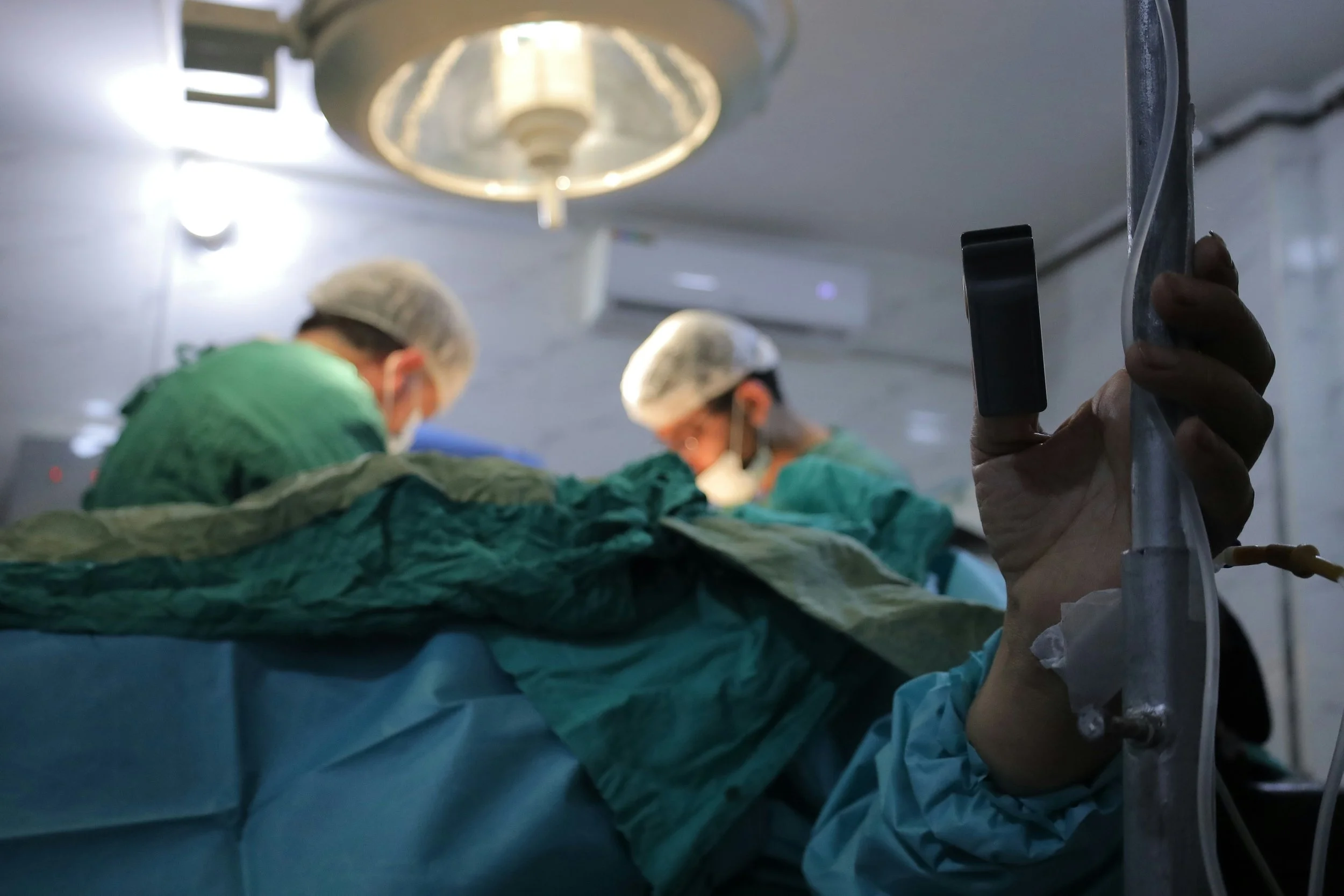
The protracted conflict in Syria has severely impacted its healthcare system, leading to a drastic shortage of healthcare workers (HCWs) and fragmented medical education and training, particularly in non-government controlled areas (NGCAs) like northwest Syria. This review explores initiatives for HCW education and training in northwest Syria at both undergraduate and postgraduate levels for physicians and non-physicians.
Key challenges identified are broadly categorised:
Organisational: Issues with local healthcare leadership and governance, lack of coordination and collaboration among stakeholders, competition between them, and insufficient funding.
Programmatic: Challenges include a lack of accreditation or recognition for qualifications, inadequate physical teaching spaces, an exodus of faculty impacting instruction, prioritisation of physicians over non-physicians, and the prevalence of informally trained HCWs.
Healthcare system-related: These involve the politicisation of the healthcare system, the changing healthcare needs of the population due to conflict, and ongoing attacks on healthcare facilities.
Despite these significant obstacles, local and diaspora-led initiatives, including NGOs, have stepped in to fill critical gaps in HCW education and training. These efforts, though often uncoordinated and unsustained, represent a shift in the humanitarian system towards prioritising HCW education in complex crises. The paper concludes that locally implementable strategies, sustained investment, and improved coordination among all stakeholders are crucial for retaining HCWs and supporting post-conflict reconstruction. Formalising coordination and ensuring dedicated, multi-year funding streams are key recommendations for strengthening the fragile MEHPT system.
Centre team behind the work
Yamama Bdaiwi
Health Fellow
Ammar Sabouni
Health Practice Lead
Abdulkarim Ekzayez
Senior Health Fellow